


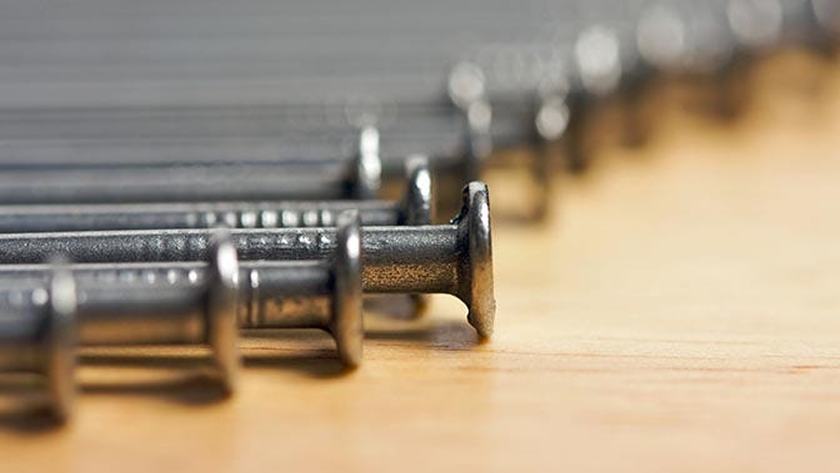
They may seem like tiny elements during a construction project but are essential to ensure strength and stability. The proper nail selection can distinguish between a durable, lasting, durable construction and one that quickly deteriorates. With the many kinds of nails on the market, how do you know which ones are right for your project?
These are some of the five top elements you need to consider before purchasing nails for construction.
Nail Material: Strength and Corrosion Resistance
The material used in the nails will determine their longevity and the ability to stand up to environmental elements like corrosion and moisture. These are the most commonly used nail material types:
-
- Steel Nails: The most popular choice is steel nails, which are tough and long-lasting. However, they can get rusty when exposed to moisture, making them ideal for use indoors.
-
- Stainless Steel Nails: These are corrosion-resistant and suitable for marine, outdoor or humid environments. These nails are commonly used for fencing, decking, and coastal construction.
-
- Galvanized nail zinc coating protects from rust. Two types are available:
-
- Hot-Dip Galvanized: More durable, ideal for exterior construction.
-
- Electro-Galvanized: It is a thin coating ideal for use indoors or with moderate exposure to humidity.
-
- Galvanized nail zinc coating protects from rust. Two types are available:
-
- Aluminum Nails: Light and corrosion-resistant. However, they are not as durable as steel. It is ideal for softwoods and specific uses such as roofing.
-
- Pro TIP: If your work involves exposure to the elements, choose high-quality stainless steel nails or hot-dip galvanized nails. This will keep it from rusting and corrosion as time passes.
Nail Type: Matching the Right Nail to Your Project
Many nail types were explicitly designed to serve the same purpose. Selecting the correct type of nail will ensure the structural integrity and effectiveness. Below are the most common kinds of nails for construction:
-
- Common Nails: Strong and thick, they are employed for framing and the general purpose of construction.
-
- Box Nails: The nails are smaller than regular nails; they are used in lighter constructions to stop breaking wood.
-
- Ending nails: The nail features a tiny head that is easy to conceal and ideal for trimming work and furniture.
-
- Ring Shank Nails: offer greater holding strength because of the ridges on the shank. They are ideal for decking, roofing, and flooring.
-
- Brad Nails: It is tiny and compact, ideal for woodworking jobs requiring delicate craftsmanship, such as cabinetry.
-
- Concrete Nails: The nails are hardened steel and can be cut through concrete or masonry.
-
- Duplex Nails Two-headed nails for temporary construction for scaffolding and formwork.
Pro Tip: Consider the purpose of your work before choosing the nail type to ensure maximum quality and long-lasting.
Nail Length and Gauge: Getting the Right Size
Nails’ size and length (gauge) affect their capacity to hold and apply.
-
- Length: Nails must be long enough to penetrate both the joining materials without overly protruding. The general rule is that the nail must be at least three times as thick as the product you’re fixing.
-
- Gauge: It is the amount of the nail. The lower number indicates an incredibly thick nail. This will give more strength but may create splitting in fragile substances.
| Nail Gauge | Common Use |
|---|---|
| 16-20 | Finish work, trim, molding |
| 12-16 | Framing, heavy-duty construction |
| 10-12 | Decking, fencing, roofing |
Pro Tip: Select stronger and longer nails when working on construction jobs that demand the most strength. When finishing work is required, select thinner nails to minimize visible damage.
Coating and Finish: Enhancing Performance
The coat on nails enhances their durability and efficiency through corrosion resistance and an excellent grip. The most common coatings are:
-
- Light (Uncoated) Nails The nails do not have a coating that protects them, and they can be used indoors where corrosion isn’t an issue.
-
- Phosphate-coated nails: Increase the bonding to wood and reduce the chance of popping out. They are used in framing and drywall.
-
- Vinyl-Coated Nails: They have a smooth surface that allows easier penetration and increases the holding capacity.
-
- Galvanized Nails: Protect against rust in the outdoors and high-moisture zones.
-
- Cement-Coated Nails: Enhance the grip on wood by increasing the friction on penetration.
-
- Tips for Success: If your project is outdoors or damp, consider using coated or galvanized nails to avoid corrosion and guarantee long-term durability.
Head Type: Aesthetics and Functionality
The nail’s head has an impact on both performance and appearance. Take a look at the following possibilities:
-
- Flat Head Flat Head: Provides the most holding strength, typically employed in framing.
-
- Round Head Round Head: Offers sturdy fastening. It is commonly used for roofing and construction.
-
- The countersunk (finishing) head is designed to be flush with or beneath the surface to provide smooth finishing in trimming work.
-
- The Clipped Head is used for nail guns and allows more precise nail placement when frames.
-
- ro Tip: Opt for round or flat heads to maintain strength and stability. For aesthetic reasons, go for a countersunk or finishing head.
Quick Recap of the 5 Key Factors:
Materials: Choose the material based on its resistance to rust and strength.
-
- Type Find the nail’s type for the project you are working on.
-
- Dimensions: Ensure you have the correct length and gauge to ensure a secure fixing.
-
- Coating – Use corrosion-resistant coatings for long-lasting performance.
-
- Head Type – Choose depending on the power of holding and appearance.
With these five factors in mind, you can make educated decisions and ensure your woodworking project is built to last.
Conclusion
Choosing the appropriate construction nail ensures sturdy, long-lasting, and professional results. When you consider the material, nail length, type, gauge, coating, and head style, you can select nails that are suitable for the specific requirements of your construction.